Texas HVAC contractors do not need the loudest agency pitch. They need a clear local plan, useful reporting and an honest view of what the public evidence can—and cannot—show. If you are comparing a provider with an in-house plan, start with our HVAC SEO services overview and state and market locations.
How this Texas list was checked
Use Texas evidence, not generic claims
Texas contractors operate under the Texas Department of Licensing and Regulation air-conditioning and refrigeration program, which says businesses offering ACR contracting must hold the relevant license. We also checked the NOAA Climate Prediction Center cooling-degree-day data when framing the state’s cooling-led demand. Each company below is included only where its linked public page presents HVAC marketing or a Texas/metro offer; that is evidence of a public service claim, not proof of results, availability or a local office. Confirm current territory and licensing responsibilities before signing.
Compare the shortlist
| Company | Best fit | Public focus | Ask before signing |
|---|---|---|---|
| HVAC SEO | HVAC-only support | HVAC SEO, local SEO and Local Services Ads | Confirm Texas territory availability, capacity and first-90-day deliverables. |
| RS Gonzales | Dallas–Fort Worth contractors | HVAC SEO, Maps, websites and advertising | Ask what is delivered locally and whether competitor conflicts apply. |
| HVAC Digitals | HVAC specialist support | HVAC websites, SEO and digital marketing | Request current Texas evidence, named monthly deliverables and account ownership. |
| Thrive Internet Marketing Agency | Larger multi-service teams | HVAC SEO within a broad digital agency | Name the HVAC strategy owner and separate local organic work from paid media. |
| Digital Success | Dallas-area operators | HVAC SEO and digital marketing | Ask for recent HVAC work and reporting by service, location and lead quality. |
| Contractor Gorilla | Small and midsize contractors | Contractor SEO, websites and paid media | Itemize technical SEO, content, links and Google Business Profile work. |
| Hook Agency | Content-led HVAC growth | HVAC SEO, Maps, PPC, LSA and websites | Confirm technical reviewers, territory conflicts and channel attribution. |
| GoMarketing | Local SEO plus ads | HVAC SEO, lead generation and advertising | Require an organic roadmap independent of paid spend. |
| RYNO Strategic Solutions | Multi-location operators | HVAC SEO, paid media and conversion work | Confirm territory terms, client ownership and market-level reporting. |
What each company brings
HVAC-only support
HVAC SEO
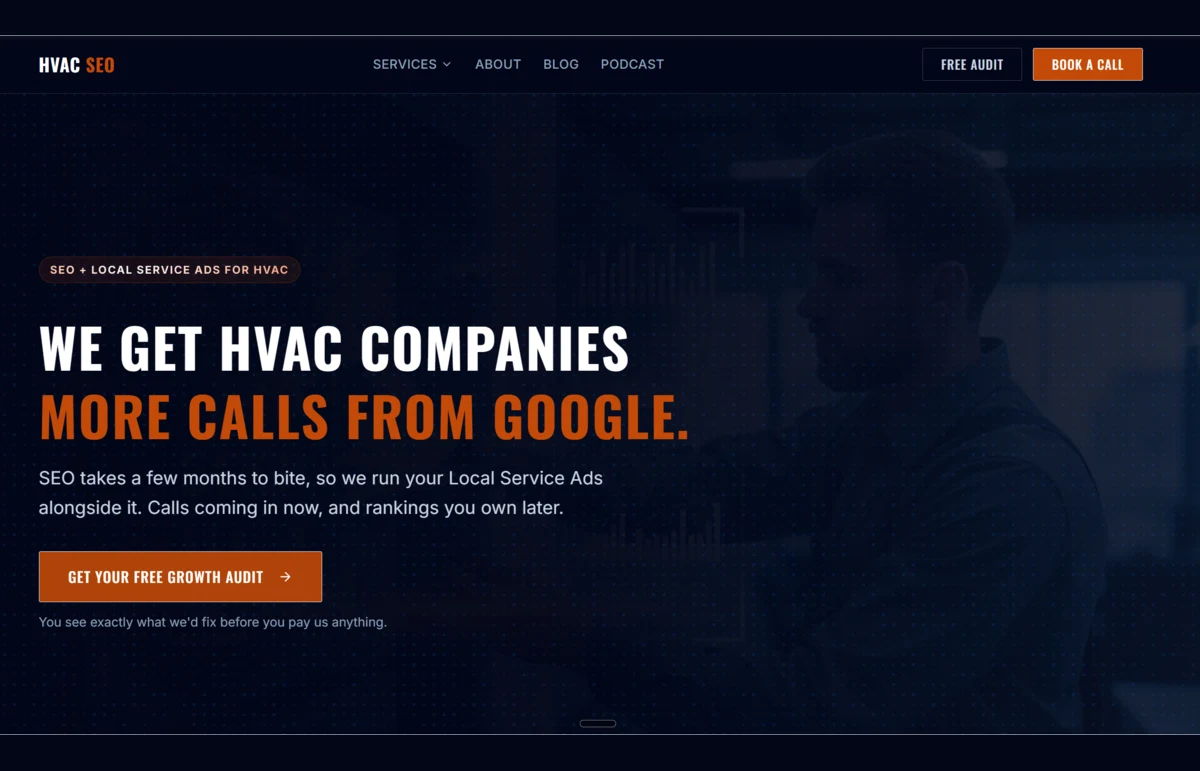
Single-sector focus keeps seasonality and service intent in view. Public pages are a starting point, not a guarantee of rankings or lead quality.
Dallas–Fort Worth contractors
RS Gonzales

Public Dallas HVAC positioning gives the local conversation a useful start. Public pages are a starting point, not a guarantee of rankings or lead quality.
HVAC specialist support
HVAC Digitals
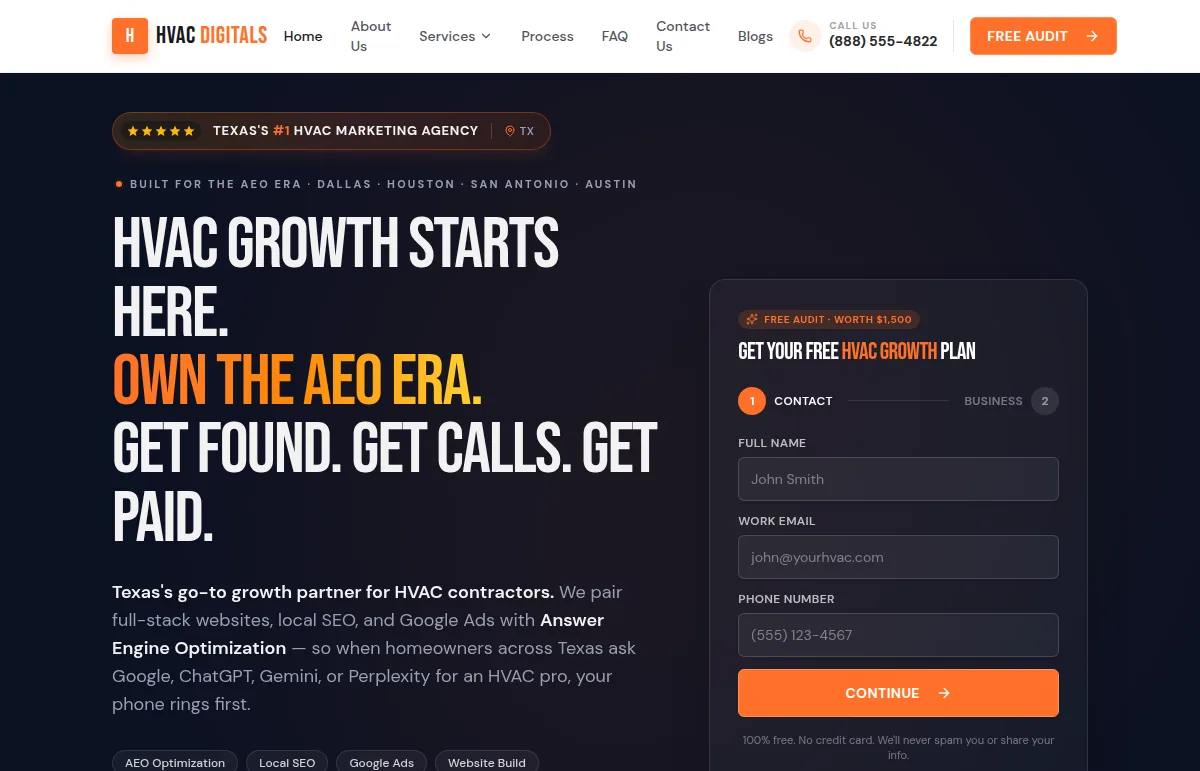
An HVAC-specific offer can reduce generalist onboarding. Public pages are a starting point, not a guarantee of rankings or lead quality.
Larger multi-service teams
Thrive Internet Marketing Agency
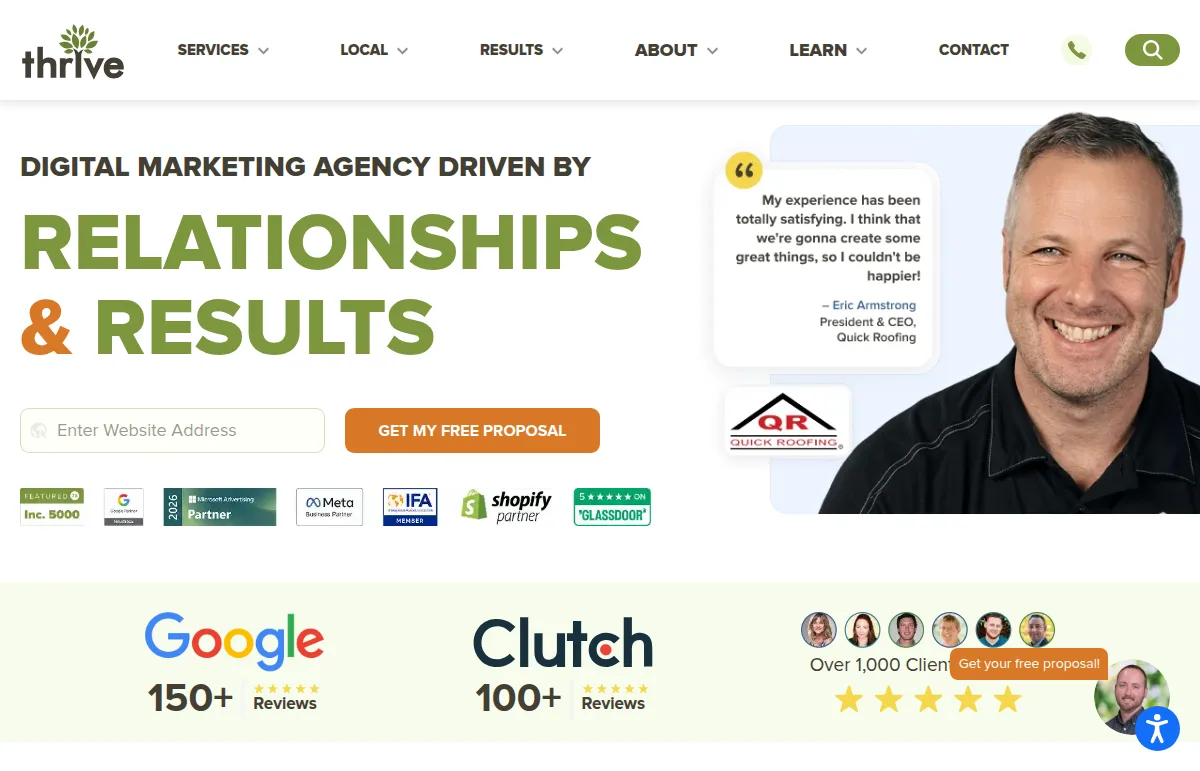
A larger team may suit complex markets and channels. Public pages are a starting point, not a guarantee of rankings or lead quality.
Dallas-area operators
Digital Success
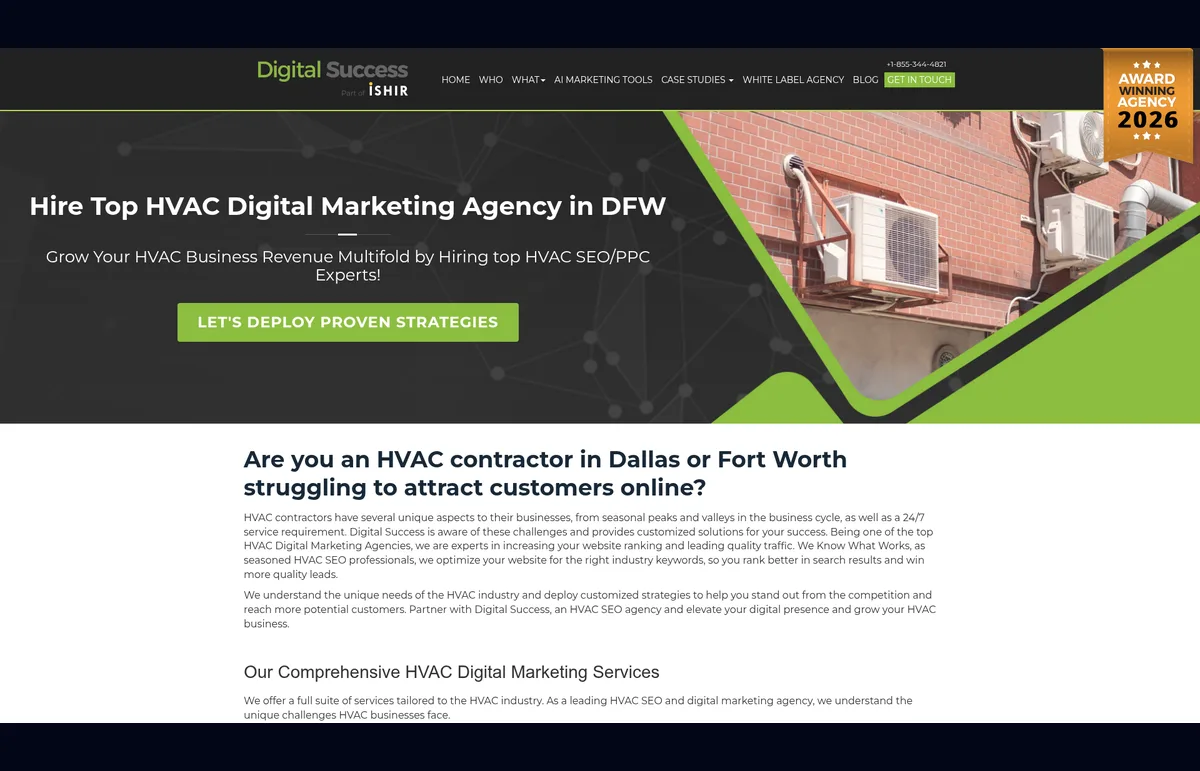
Texas presence may help with metro-specific planning. Public pages are a starting point, not a guarantee of rankings or lead quality.
Small and midsize contractors
Contractor Gorilla

A trades-oriented package can connect site and acquisition work. Public pages are a starting point, not a guarantee of rankings or lead quality.
Content-led HVAC growth
Hook Agency

Trade-oriented content can support competitive metro pages. Public pages are a starting point, not a guarantee of rankings or lead quality.
Local SEO plus ads
GoMarketing
Paid search experience can support extreme-demand periods. Public pages are a starting point, not a guarantee of rankings or lead quality.
Multi-location operators
RYNO Strategic Solutions
Structured reporting may suit large Texas service areas. Public pages are a starting point, not a guarantee of rankings or lead quality.
Choose for the market you serve
Texas markets need separate plans
Dallas–Fort Worth, Houston, Austin and San Antonio are each large enough to require their own competitor set, service map and content priorities. DFW includes fast-growing suburbs and long drive times. Houston adds humidity, storms and flood-related operational disruption. Austin combines rapid development with a competitive technology-aware market, while San Antonio and South Texas bring different housing, language and cooling patterns. A statewide rankings chart is not enough; reporting should show leads by metro, service and location.
| Market | What the SEO plan should account for |
|---|---|
| Dallas–Fort Worth | Suburb-level coverage, long service radii and repair-versus-replacement attribution |
| Houston and the Gulf Coast | Humidity, storm disruption, dense competition and genuine response areas |
| Austin and Central Texas | Rapid growth, competitive suburbs and technically informed buyers |
| San Antonio and South Texas | Cooling intensity, bilingual demand and market-specific service language |
Seasonality and service intent
Build for qualified demand, not a statewide traffic number
Extreme heat can create urgent repair demand, but a durable plan also covers replacement, maintenance memberships, heat pumps, indoor air quality, ductwork and commercial work. Northern Texas can have meaningful furnace and cold-weather demand, while coastal and southern markets behave differently. Important pages should be established before seasonal peaks. If SEO, Google Ads and Local Services Ads run together, require separate attribution for calls, forms, spam, qualified opportunities and booked work.
Ask each agency to define a qualified lead before the contract starts. Emergency repair, replacement estimates, maintenance memberships and commercial enquiries have different values and sales cycles. Rankings and traffic can support the diagnosis, but calls, forms, booked appointments and revenue where available are the measures that show whether the work is reaching the right customers.
A practical sequence
What the first 90 days should look like
Days 1–30
Confirm ownership, service boundaries and tracking. Audit technical health, profiles, priority services and visibility by metro.
Days 31–60
Improve the most valuable service and location pages, using genuine coverage, local proof and accurate technical detail.
Days 61–90
Strengthen reviews and authority, then separate organic, paid and LSA leads through to qualified or booked work.
Protect the business
Keep control of every core asset
Put access, territory conflicts and exit terms in writing before work begins.
- Domain and hosting
- Google Business Profiles
- Analytics and Search Console
- Call-tracking numbers
- Google Ads and LSA accounts
- Copy, images and reporting data
Want a second opinion before signing? See where local visibility is losing qualified HVAC demand.
Request a free HVAC SEO audit